I recently had the opportunity to take a look at some of the projects that the DCA are running in and around Harare, and was especially interested in hearing more about the social assistance and resilience building programmes they have implemented in partnership with the World Food Programme. Intended to support the hardest-hit households, the programmes, which have been ongoing since 2019, provide a cash entitlement to households enrolled in the social assistance schemes and wider social support, including mentorship, for those wishing to enhance livelihood strategies through income generating projects.
While the success of the projects varied – many of the women growing vegetables in the hydroponics project were unhappy with the results, what was most significant about them was the scale at which they were being implemented. These were community-wide programmes. The cash-for-waste project pays for waste collected by local people in Epworth and is able to do so because some of the material collected, especially plastics, is sold on to nearby recycling centres. Similarly, the hydroponics project and community farm aim to enhance the market value of the food produced and is based upon a model that encourages a communal approach to food production.
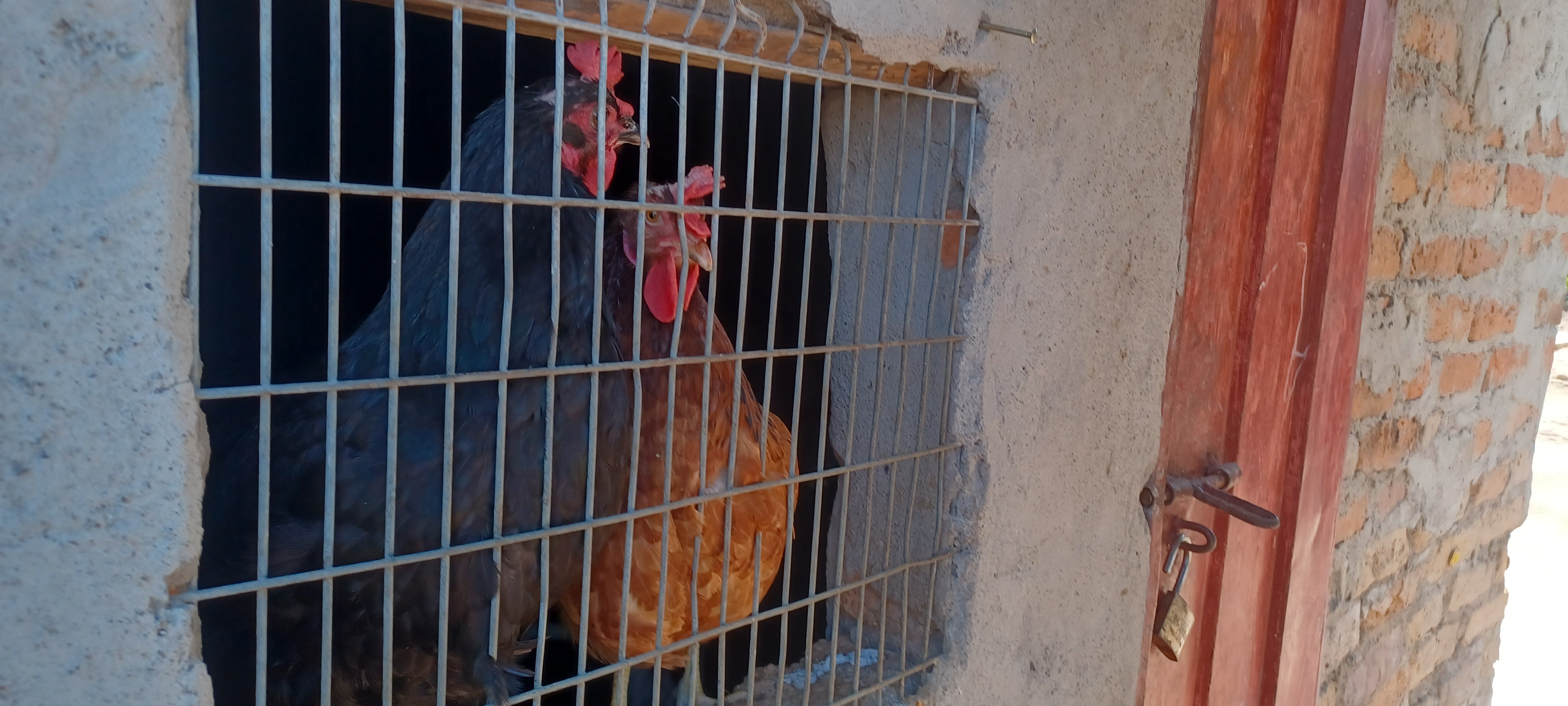
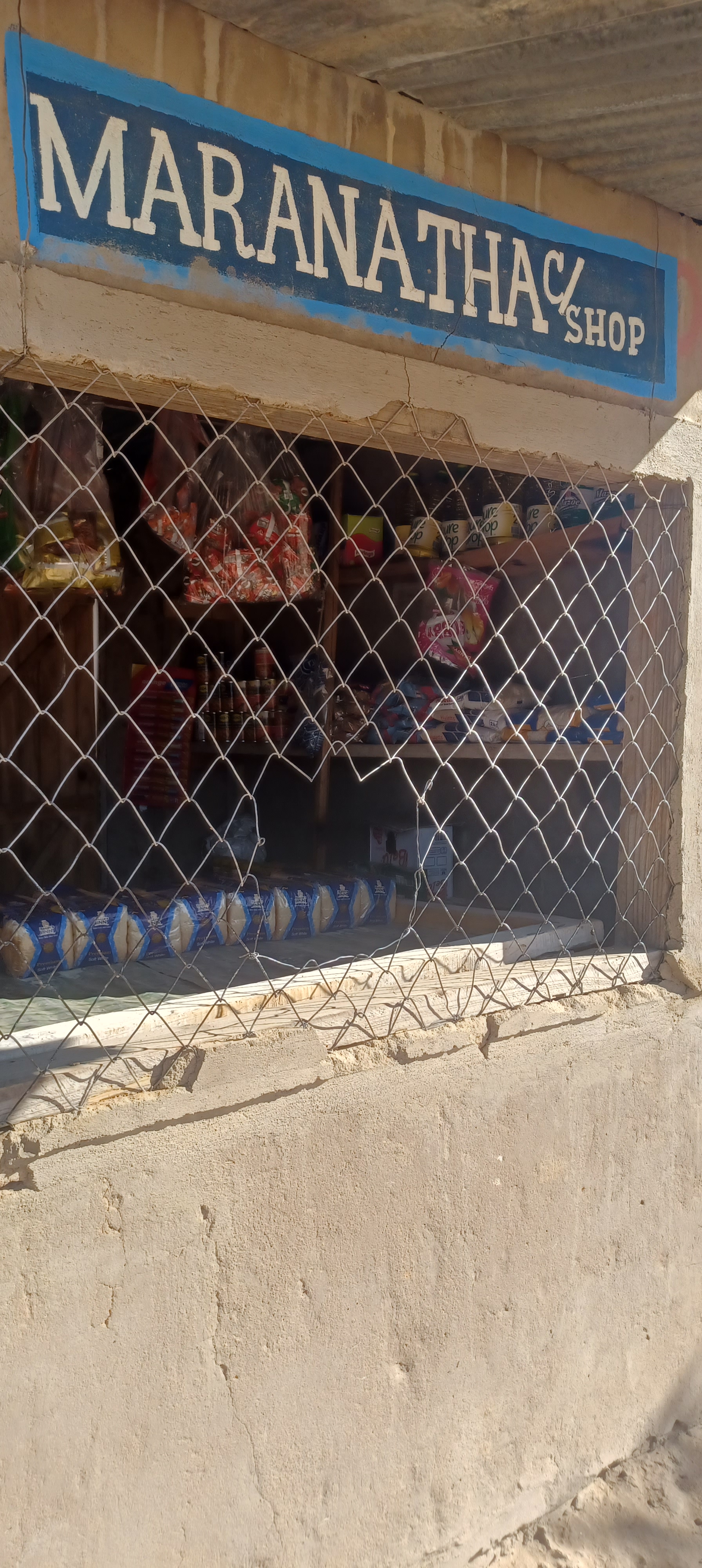
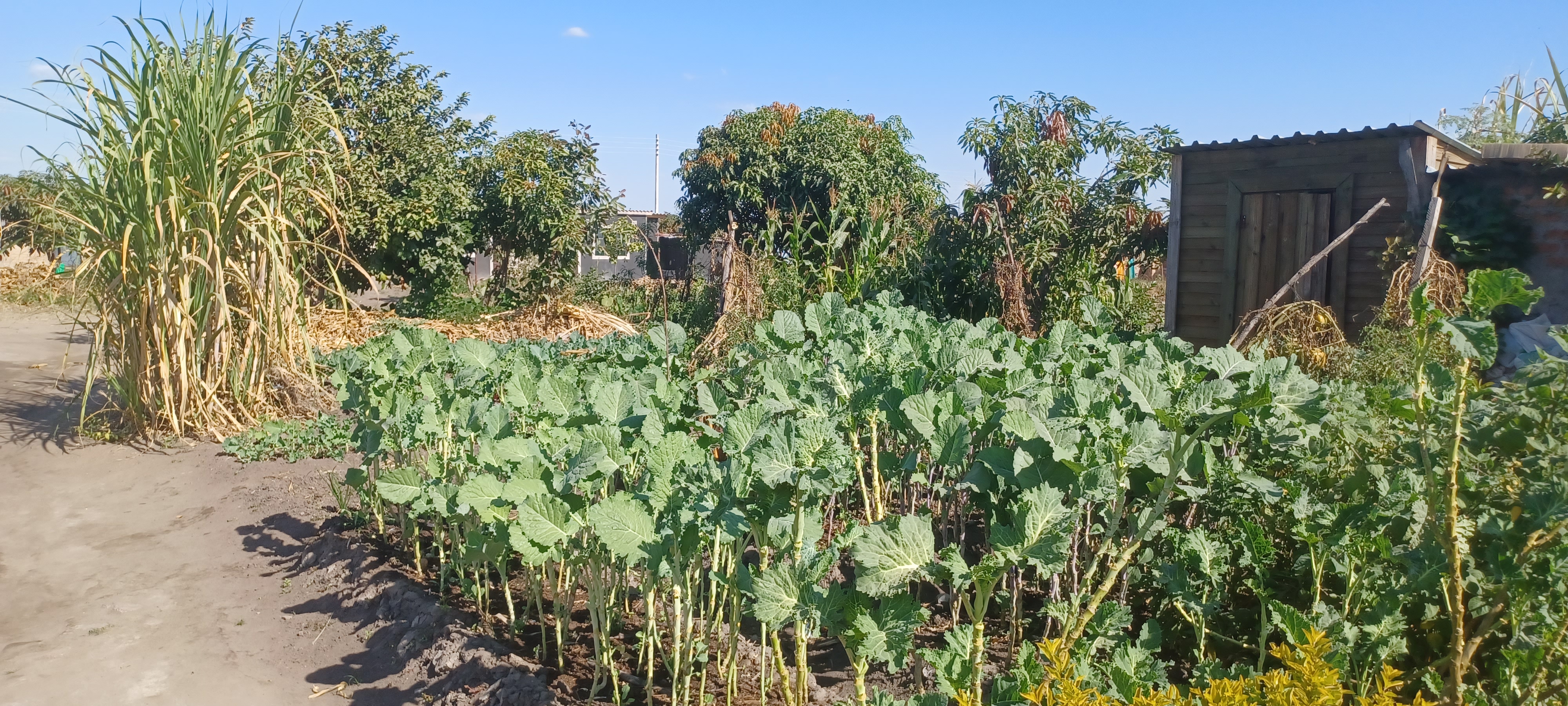
This was the main difference between the projects I visited in Epworth and those that were being implemented by the DCA elsewhere in Harare; including Ushewekunze, an informal settlement built on the former site of the Saturday Retreat Farm in Harare South. Here, the DCA’s work supports individual households by facilitating livelihood development projects. Some of these were truly impressive. For example, one of the beneficiaries of the DCA’s support, a woman called Maidei, was producing a wide-array of fruit and vegetables on her small plot of land and had a successful chicken-rearing business. The latter providing fertilizer for the former.
Undoubtedly providing a vital source of food and nutrition to her family as well a regular income, the question here is the extent to which this intervention can provide anything more than self-sufficiency. The homestead in Ushewekunze is not too far from the A4 (Simon Mazorodze Road), which heads south towards Masvingo and Beitbridge. And anyone who knows this part of Harare, will recognise it as a busy thoroughfare and one where a lot of informal trading takes place. However, access is a major challenge given the dirt tracks that lead to the main road and there is little scope for adding value through informal vending, even for produce that is being grown organically (there appears to be no price differential in the local food system).
Other projects we visited were similarly limited in their capacity to generate anything other than self-sufficiency, perhaps even more so as they were focused on resale of consumable goods within the community. For example, via a vending stall or tuckshop. In the projects that I have been involved with elsewhere, the interventions we’ve worked on have also involved encouraging women to undertake income generating projects such as these. I’ve always had my doubts. Firstly, where is the market for the goods being resold? Invariably, it is local and that means selling to people who are as equally poor as the beneficiaries and it is therefore difficult to increase the margins on goods bought and sold.
Secondly, restocking a vending stall or tuckshop involves buying off other informal traders or travelling to a market such as the one in Mbare. As mentioned, in a place such as Ushewekunze, this is a very time-consuming and laborious activity because the lack of road infrastructure does not allow for anything like an easy journey. In our own projects, the time and labour involved in maintaining a vending stall appeared to work against the mother’s capacities to care for their recovering child. This may not be a problem where social support networks exist and mothers can draw on locally available social capital; however, for a significant number this support doesn’t exist.
Thinking critically, I also wonder whether there is a moral economy at work here, with social assistance programmes requiring recipients to be seen to be actively involved in ‘productive’ labour. This may be unfair. Yet, it would not be unthinkable given the preponderance of ‘work for the dole’ schemes that operate across richer countries or the push for their introduction where they do not currently exist. This aside, while I really was impressed by the volume and quality of the food being produced by Maidei (and many of her neighbours), I was left wondering how it was not connected to the other projects in the community and whether it could be scaled up.
Maybe the answer is to encourage more small-scale producers in peri-urban areas such as Ushewekunze to form local co-operatives. The knowledge and infrastructure is in place, the benefits to small-scale producers are well established and the idea of co-operating is not an alien one. This is a question I’ll come back to in conversation with my colleague Joseph.
 Professor Tim Brown