Introduction
Local food systems in Zimbabwe, as in similar low income countries, are susceptible to the adverse effects of global shocks. The impact of events such as weather-related disasters like violent storms, drought, flooding, and extreme temperatures, have been amplified by global climate change, as Cyclone Idai recently demonstrated. Moreover, there is no place for a country to hide in the face of economic crises, health-related shocks like COVID-19, or the effects of regional conflicts such as Russia’s recent invasion of Ukraine. Even a country such as Zimbabwe, which has faced economic and political isolation since the early 2000s, is subject to the same forces of globalization that means we are all in this together; wherever we are in the world and how we are situated within it.
Collectively, such local and global events are amongst some of the many factors militating against the achievement of the Sustainable Development Goals (SDGs) in Zimbabwe, particularly SDG2: to “end hunger, achieve food security and improved nutrition and promote sustainable agriculture.” I argue here that bold and innovative policy measures are required to help local food systems, such as those in Zimbabwe, respond to global shocks and achieve the national, regional and global developmental targets for food security. Even more than before, building local food system resilience must be a top priority for governments and development partners alike.
What is the nature and context of local food systems in Zimbabwe?
Food systems incorporate a broad network of activities associated with food production, including its processing, distribution and consumption as well as food waste management. Ideally, these are sustainably designed and aim to achieve the social, economic and environmental health requirements of a specific locality (albeit one that operates within a global food system). Partly as a consequence of the implementation of the fast-track land reform programme (FTLRP) in the early 2000s, and the economic and political fall out from it, Zimbabwe’s food system is fragmented, lacking in resilience and appears unable to insulate the country against national and international food-related shocks.
According to a recent report published by the FAO, in partnership with the EU and the French agriculture research organization, cirad, food production in Zimbabwe is dominated by approximately 1.3 million smallholder farmers. Mostly women and children producing food for their own consumption or to sell in local or other domestic markets, smallholder farmers are engaged in crop and livestock production on small plots of land, typically less than 2 hectares. Smallholder production is supplemented by larger scale farming operations as well as a small number of commercial farms, which account for about 5 per cent of the sector. However, as the report highlights, despite the extensive nature of agricultural production in Zimbabwe, the country is increasingly reliant on food imports.
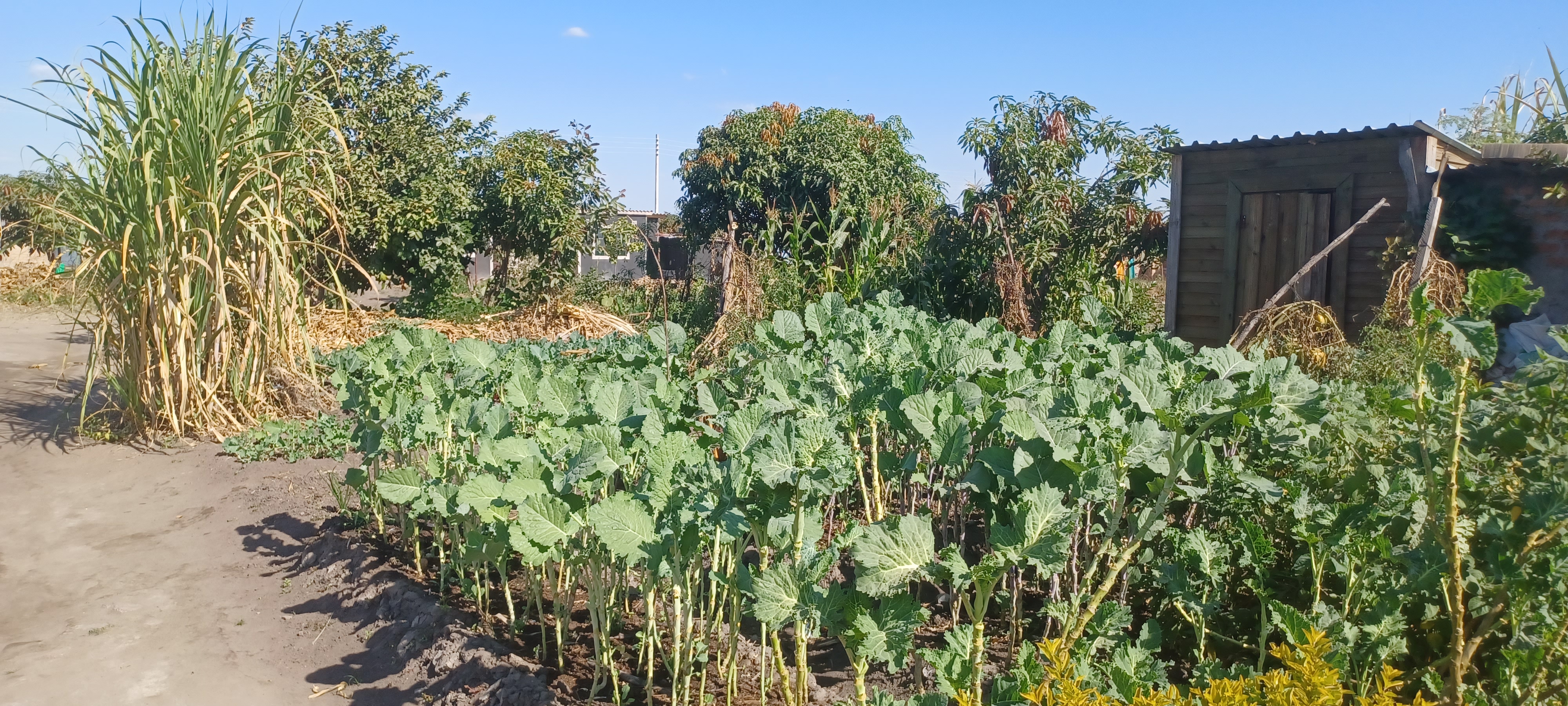
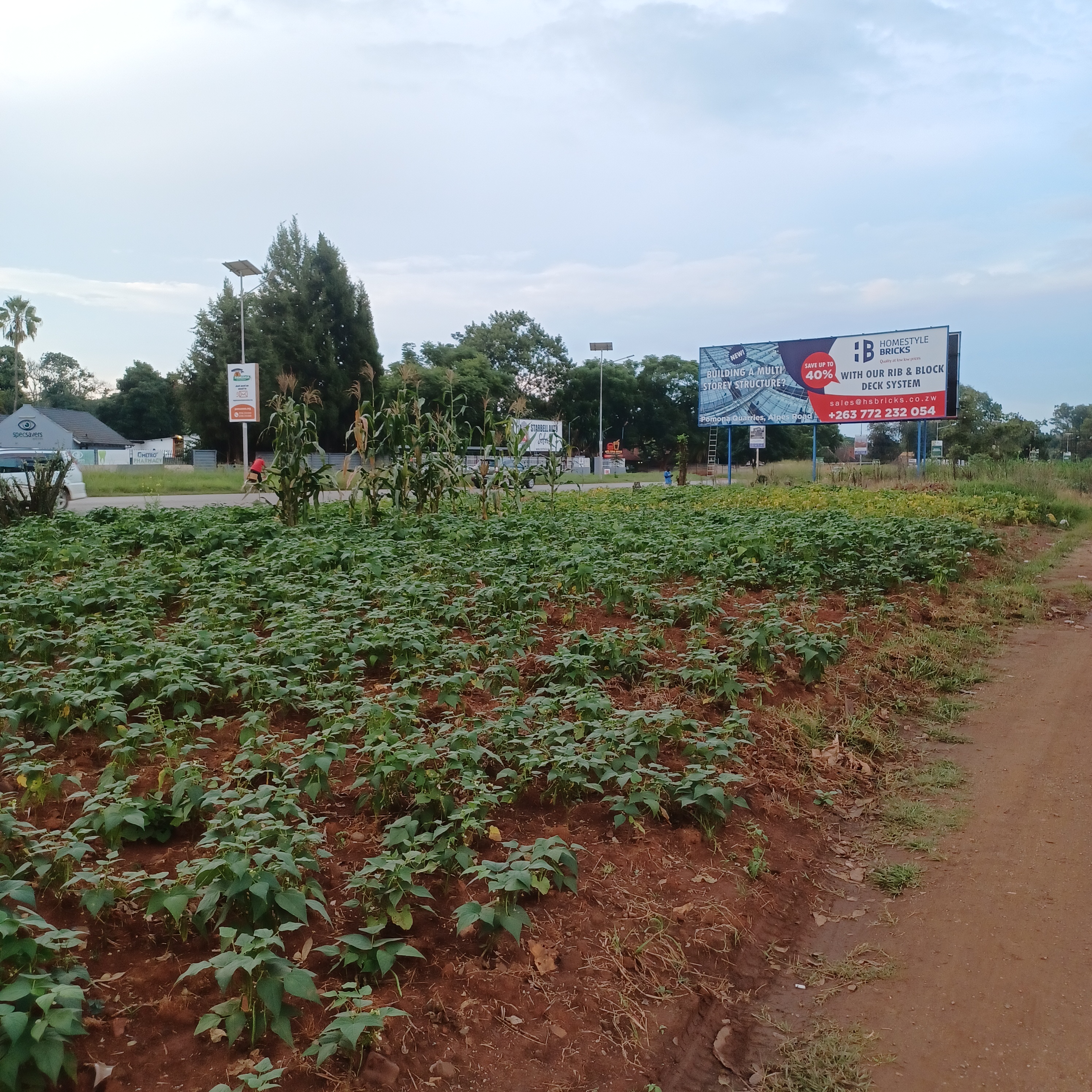
Local food systems, especially in Zimbabwe’s rural areas, are characterized by lack of resources and poor infrastructure (e.g., technologies and road networks), which makes it difficult for farmers to distribute produce and connect with domestic and international markets. It’s also worth noting that many of the smallholder farms are located in areas that require significant agricultural inputs to boost productivity, including fertilizers and irrigation. Food production is not contained in the country’s rural areas. One of the consequences of the country’s economic and political crises, is a growth in urban agriculture. Although not unique to Zimbabwe, the scale of urban food production, which takes place on almost any unused plot of land, is a clear indication of the food insecurity felt by many urban dwellers.
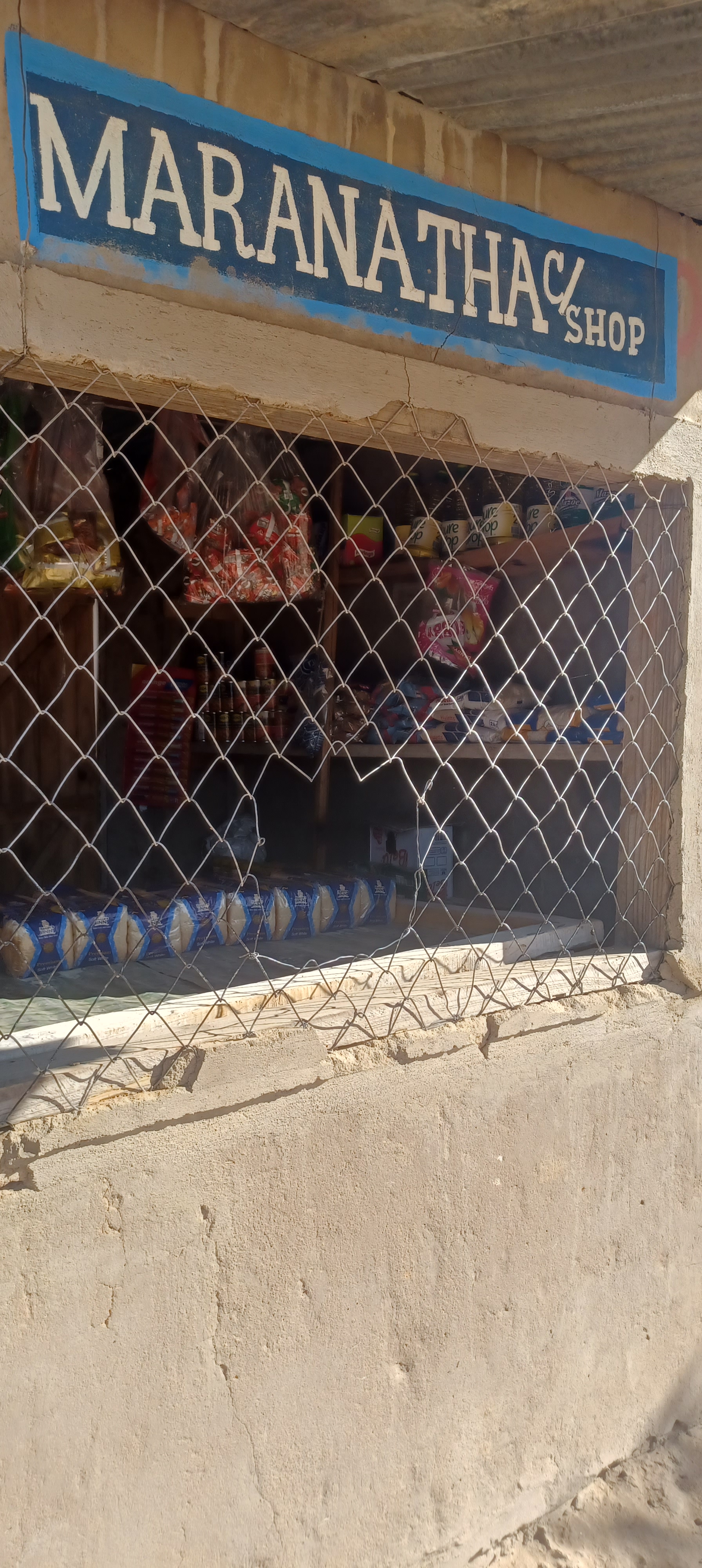
Outside of production, distribution throughout Zimbabwe’s local food systems is dominated by small to medium sized enterprises, and food access is promoted by an extensive network of informal food retailers (tuckshops, roadside vendors, and ‘home-shops’) selling everything from grains, livestock, fruits, and vegetables to imported processed snacks to both rural and urban consumers. Largely unregulated, research by Godfrey Tawodzera suggests that prices for farmers and vendors alike are controlled by intermediaries or ‘middlemen’ (makoronyera) operating in the country’s main markets, such as Mbare market, Harare. Although experiencing significant growth with an influx of international retail chains such as TM/Pick n Pay, Choppies, and Food Lover’s Market, supermarket retailing remains underdeveloped across the country.
Zimbabwe’s food systems are also marked by low levels of food processing and limited storage capacity, especially for fresh produce which requires cold storage facilities that are not widely available. As the FAO remarked in their joint report with the EU and cirad, “While the country has huge natural agricultural potential, production, processing, storage, value addition and marketing infrastructure are dilapidated” (2022: 13). Therefore to supplement the lack of food processing and storage capacity, the country depends on formal and informal imports of food and food-related products from neighbouring countries such as South Africa, Botswana and Zambia, as well as from further afield. Additionally, producers and consumers alike continue to rely on traditional processing and preservation methods, including sun and fire drying fruits, vegetables and fish (kapenta).
Why build local food system resilience in Zimbabwe?
Zimbabwe frequently suffers from multiple shocks which threaten the effective functioning of its local food systems, and weather-related shocks are a prominent feature of the challenges confronting local food systems across the country’s different agroecological zones. The country has been facing regular droughts since attaining its independence from Britain in 1980. For instance, Zimbabwe is among the southern African countries that were devastated by the El Niño-induced droughts in 1992, 2002, as well as between 2015 and 2016 which killed livestock, destroyed crops and drastically reduced livelihoods. Similarly, in March 2019, Zimbabwe suffered from an intense tropical Cyclone Idai that affected about 270,000 people and caused damage to livelihoods estimated at US$622 million.
Zimbabwe’s local food systems were also severely disrupted by the COVID-19 pandemic. The implementation of public health measures designed to reduce the spread of the pandemic, such as lock-downs, border closures, and other forms of restriction placed upon people’s mobility, caused significant stress to the entire food supply chain, from food production to consumption. As a report by Agricultural Policy Research in Africa in 2021 highlighted, agricultural production was curtailed in rural areas with farmers and farm labourers unable to engage in farming activities. Other impacts included the disruption to transportation and the closing of markets such as Mbare Musika in Harare. Moreover, the pandemic also impacted the food system supply chain, including cash and in-kind remittances sent from neighbouring countries like South Africa, Botswana, Namibia and Mozambique.
Even before COVID-19, Zimbabwe’s local food systems have been exposed to the long-decade of economic, social, and political vulnerabilities that were debilitating the country. Therefore, to “build back better”, Zimbabwe needs to strengthen the resilience of its local food systems from the numerous shocks and stressors that are threatening the livelihoods and the achievement of SDGs by 2030.
What policy measures are needed to strengthen the resilience of local food systems in Zimbabwe?
Strengthening the resilience of local food systems is therefore crucial, and will need to be staged across the short-, medium-, and longer-terms. An immediate short term step would be to improve coordination among the sector’s diverse actors, including in delivering social protection measures that cushion vulnerable groups from future shocks. Work towards this goal is outlined in the World Food Programme‘s strategic plan for Zimbabwe, 2022–2026. Whether this will promote and support the multi-sectoral linkages and multi-stakeholder partnerships necessary for the country, as well as align with the Government of Zimbabwe’s own priorities, remains to be seen.
The WFP has a very strong track record in working alongside the GoZ, and in coordinating the response to the country’s food-related crises. However, there are multiple international agencies operating in Zimbabwe, most prominently the Food and Agriculture Organization of the UN (FAO) and USAID, but also including other non-state actors, such as other international donor countries (e.g., China), and a multitude of non-governmental organizations, civil society organizations, academic and research institutes, as well as private philanthropy and commercial enterprises. Coordination across such a wide-array of actors is challenging, especially in a country where corruption remains an issue.
Moving beyond the general question of sector-wide coordination, the implementation of tough lockdown measures by many countries, including Zimbabwe, during the COVID-19 highlighted the importance of maintaining local food production as well as short, well-organized and innovative ways of food distribution so as to keep all people well-nourished. As such, there is an urgent need to strengthen the resilience of food supply chains by shortening them, allowing them to deliver equitable, sustainable, and healthy diets during emergencies. Promoting sustainable local food production systems is an important medium-term strategy too, mainly because it promotes food self-sufficiency including during periods of shocks.
Long-term strategies for strengthening the resilience of local food systems during shocks include promoting evidence-based policy making that support preparedness and resilience to shocks in an inclusive and sustainable manner. It is crucial for the Zimbabwean government to strengthen its early warning systems in order to predict threats and occurrence of disasters as well as promote sharing of indigenous knowledge systems between provinces and districts for the purpose of recovery. Promoting green investments as well as climate-smart innovations are also important strategies in overcoming weather-related catastrophes in Zimbabwe.
Finally, policy options for supporting local food systems during periods of shock hinge on the availability of sustainable funding mechanisms. While the government has primary responsibility for ensuring adequate budgetary support for resilience building, it does not have the economic means to meet the responsibilities. Mainly a result of the country’s decades long economic decline, the country’s weak economic performance is amplified by sanctions imposed on the country by the USA, UK and EUover 20 years ago. Zimbabwe does receive funding, with USAID remaining the single largest bilateral partner in Zimbabwe and contributed more than US$5.7 million towards resilience building in 2021. Yet, a sovereign nation such as Zimbabwe cannot rely on humanitarian support in the long term.
Conclusion
While preventing shocks in a global food system may not be possible, mitigating their effects and promoting recovery remain crucial steps in supporting local food systems. The multitude of shocks confronting local food systems in Zimbabwe underscore the need to design and implement vibrant policy measures in order to reduce the vulnerability of poor and disadvantaged groups. Designing and implementing effective social protection systems, promoting local food production, shortening food supply chains, strengthening early warning systems, not to mention investing in climate-smart innovations are key policy alternatives.
In achieving these goals, the role of strengthening local capacity cannot be overemphasized. Inevitably, these measures depend on the availability of sustainable funding mechanisms and to strengthen domestic resource mobilization in order to finance the development of local food systems. Improving access to finance to smallholder farmers, informal traders, and other key stakeholders in the local food systems value chain is a part of the answer. As recent analysis from the World Bank suggests, an effort must be made here to support the transition of the informal sector to the formal one. Moreover, there is a need to rebuild the country’s processing capacity, as well as to lengthen and diversity its (food) value chains regionally as well as globally.

 Professor Tim Brown