Categories
Uncategorized

Food on the move

Zimbabwe’s transport network was first established as a part of the racialised infrastructure underpinning the extractive economic and development policies of white settler colonialism in the late nineteenth and early twentieth centuries. With rail transport initially prioritised by Rhodes’ British South Africa Company, the development of a ‘modern’ road network only came into focus following the country’s transfer into British colonial rule in 1923 and the subsequent agitation of white farmers who were keen to find alternatives to an increasingly expensive rail transport network as well as to enhance their everyday mobility (Mlambo 1994). In the decades that followed, Mlambo describes the gradual construction of a road network that could be described as a ‘fairly modern highway system’ by the 1940s and as being ‘good’ in the decade that followed the country’s Independence in 1980, but which remained largely confined to routes established under colonialism and white minority rule (Mlambo 2014). More recently, the country’s road infrastructure, like other aspects of the country’s transport and other infrastructure, had declined into further disrepair and was described by the current president, President Mnangagwa, as being in a ‘state of disaster’ on February 9th, 2021. The reasons for this decline are not the focus for this paper; rather, the programme of infrastructure repair enacted by Mnangagwa’s government and its relevance to the country’s food and nutrition security are its main focal points.

Here, the connection between infrastructure and food and nutrition security is a vital one. As Battersby and co-authors (2023) argue, better understanding is required of how infrastructures interact to enhance food and nutrition security as well as to potentially amplify further insecurity. The authors make this argument, in part, because of a limitation they identify within extant research especially as it relates to questions of urban, as opposed to rural, food and nutrition security. As they state, the research remains ‘patchy’ and responses to it are ‘small and largely project based,’ failing, they believe, to address the food system or urban policy directly (2023: 4). We concur with this assessment, though tend not to view the urban and rural in such dichotomous or binary terms. It is undoubtedly the case, as these and other authors argue (e.g., Crush & Riley 2018; Battersby & Watson 2019; Crush et al. 2020), that in countries across the Global South, including Zimbabwe, emphasis has been placed on the issue of rural food and nutrition security, especially in the policy and programming of governmental and non-governmental agencies (e.g., WFP, FAO and IFAD). Moreover, there remains a tendency to view solutions to food and nutrition security as ones best addressed by improving agricultural production through, for example, the technological solutions offered by the new green revolution (Abdulai 2022). This does require the kind of rebalancing that has been argued for but not in our view the occlusion of the rural, especially when food and nutrition security amongst highly mobile urban populations relies so heavily on people’s ongoing interconnectedness with and access to rural areas.   

Bearing this in mind, we focus on three dimensions of the literature in the section that follows: firstly, we further develop our understanding of food and nutrition security as well as the relatively recent call to extend definitions of food security to more explicitly embrace ‘agency’ as an addition to the existing four pillars (HLPE 2020). Although such an extension would not necessarily mean a significant shift in understanding and approach – agency is already recognised to play a significant role in enhancing people’s access to, and utilisation of, food – its inclusion in official definitions is consequential. This is primarily because of the influential role that definitions such as those promoted by international organisations like the FAO and World Bank Group have on national policy and programmes. Secondly, we address debates that have brought food security and nutrition into closer dialogue with each other. Here, we not only acknowledge the vital role that improved nutrition plays in helping to address the social determinants of health but so too the ongoing failure to adequately respond to the nutritional disadvantage that many, and especially the most vulnerable and marginalised people, are exposed to. Thirdly, we consider in a little further detail the aforementioned scholarship relating to the importance of addressing urban food security through an infrastructural lens. In so doing, we seek to make space for a programme of research which explores the potential as well as the pitfalls for infrastructure repair programmes such as those recently enacted in Zimbabwe as responses to food and nutrition insecurity.

To access the full report, click on the folder below.

Categories
Uncategorized

Convalescing from SAM: The pitfalls and possibilities of caring for vulnerable children in Harare’s high-density neighbourhoods

We have recently had a paper from our HOPESAM project accepted for publication the journal Social Science & Medicine. The paper reports on the qualitative research we undertook with a cohort of women caring for children who had recently recovered from SAM (severe acute malnutrition) and were recuperating within the high density urban and suburban districts of Harare, Zimbabwe. The paper identifies several dimensions of the women’s lives that impede their caring capabilities. Given the country’s status as a global ‘hunger hotspot’ (FAO/WFP, 2022), it should not be surprising that food insecurity featured prominently amongst these. Beyond this, the paper highlights the women’s uneven access to informal social protection, experiences that are reflective of what recent scholarship refers to as examples of ‘uncaring’ or ‘noncaring,’ as well as their responses to discourses of shame and stigma within the community and hospital settings. The paper concludes by considering what this means for understanding of, and responses to, the bodies encountered in the place of global health research and interventions. The research undertaken for this project fed into another study, CO-SAM, which is currently on going. Watch this space for more news on this!

Categories
Uncategorized

Intervening to improve household food security: But at what scale?

I recently had the opportunity to take a look at some of the projects that the DCA are running in and around Harare, and was especially interested in hearing more about the social assistance and resilience building programmes they have implemented in partnership with the World Food Programme. Intended to support the hardest-hit households, the programmes, which have been ongoing since 2019, provide a cash entitlement to households enrolled in the social assistance schemes and wider social support, including mentorship, for those wishing to enhance livelihood strategies through income generating projects.

While the success of the projects varied – many of the women growing vegetables in the hydroponics project were unhappy with the results, what was most significant about them was the scale at which they were being implemented. These were community-wide programmes. The cash-for-waste project pays for waste collected by local people in Epworth and is able to do so because some of the material collected, especially plastics, is sold on to nearby recycling centres. Similarly, the hydroponics project and community farm aim to enhance the market value of the food produced and is based upon a model that encourages a communal approach to food production.

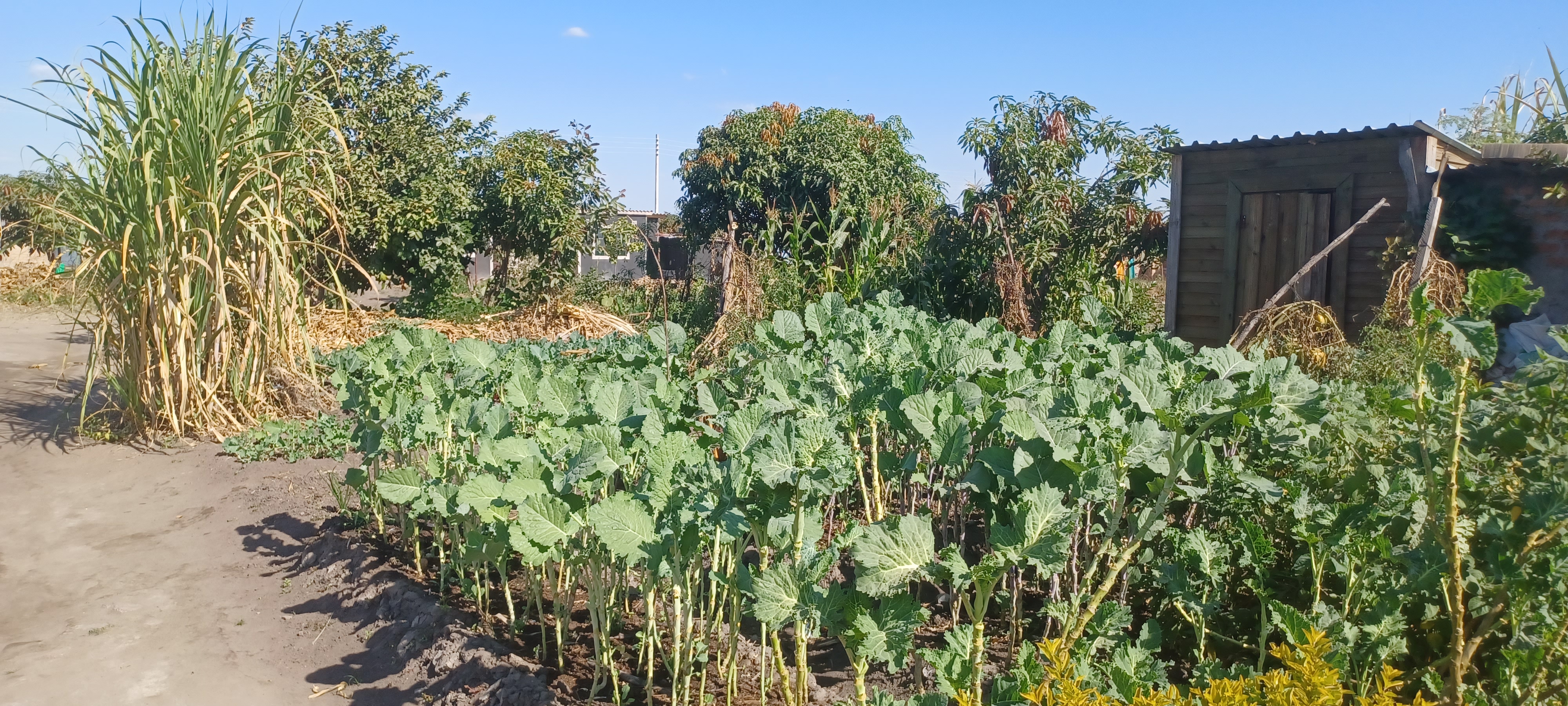
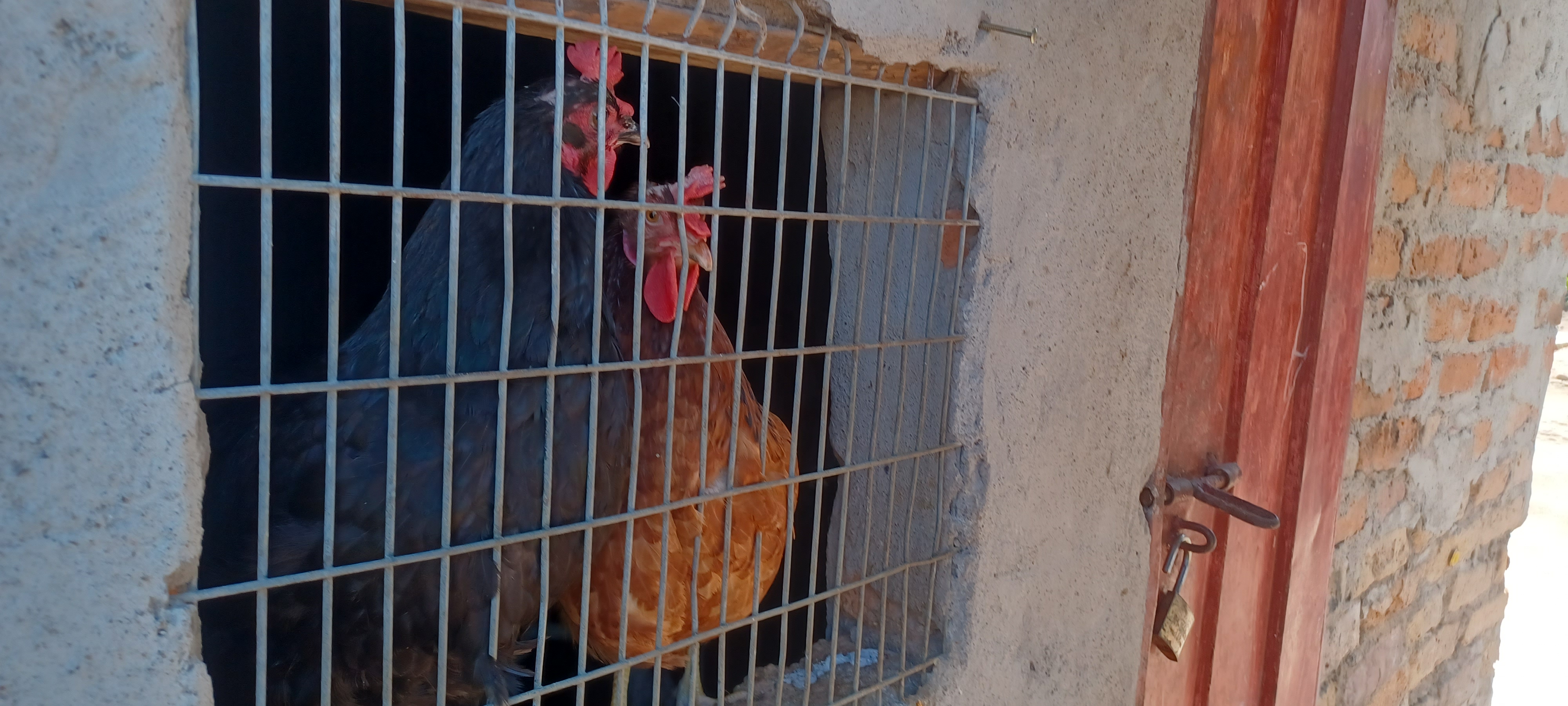
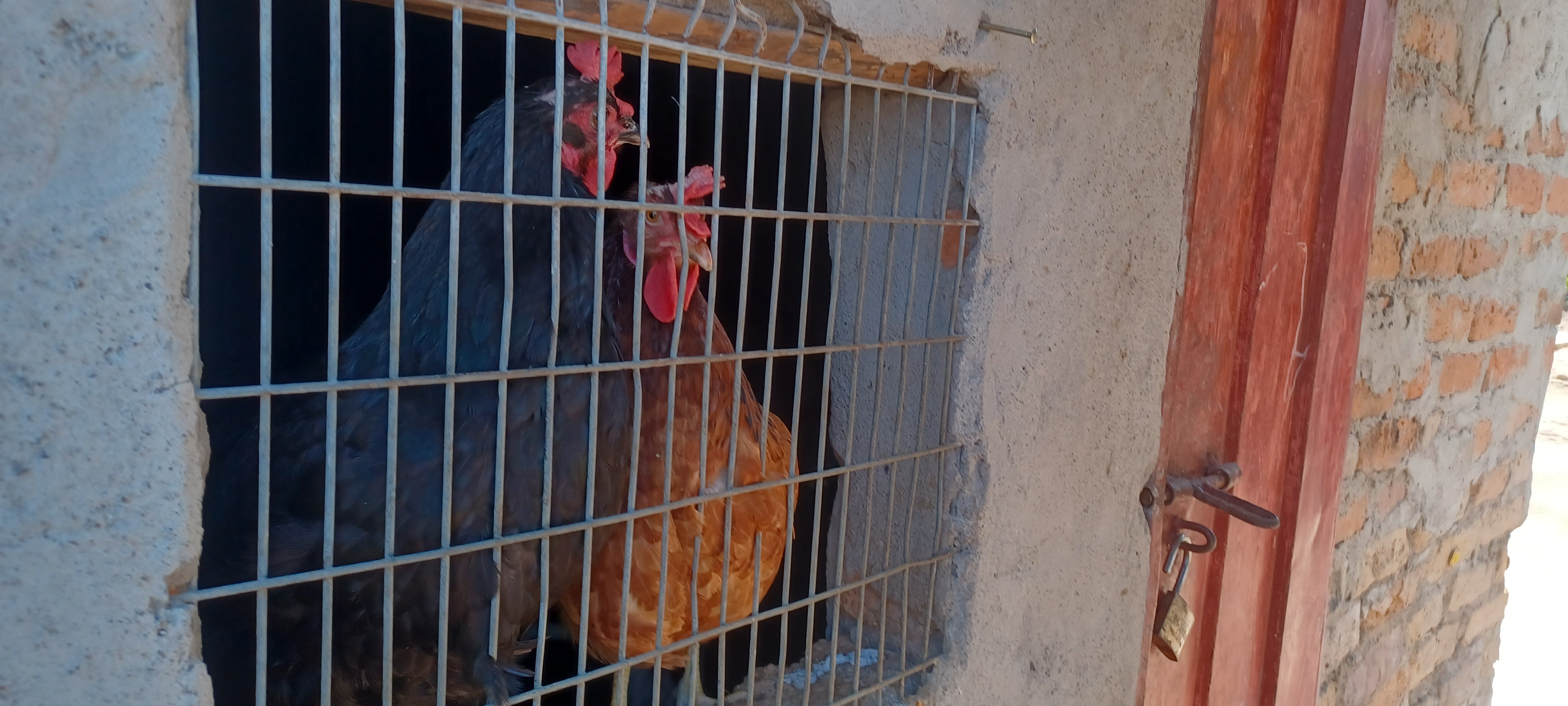
This was the main difference between the projects I visited in Epworth and those that were being implemented by the DCA elsewhere in Harare; including Ushewekunze, an informal settlement built on the former site of the Saturday Retreat Farm in Harare South. Here, the DCA’s work supports individual households by facilitating livelihood development projects. Some of these were truly impressive. For example, one of the beneficiaries of the DCA’s support, a woman called Maidei, was producing a wide-array of fruit and vegetables on her small plot of land and had a successful chicken-rearing business. The latter providing fertilizer for the former.

Undoubtedly providing a vital source of food and nutrition to her family as well a regular income, the question here is the extent to which this intervention can provide anything more than self-sufficiency. The homestead in Ushewekunze is not too far from the A4 (Simon Mazorodze Road), which heads south towards Masvingo and Beitbridge. And anyone who knows this part of Harare, will recognise it as a busy thoroughfare and one where a lot of informal trading takes place. However, access is a major challenge given the dirt tracks that lead to the main road and there is little scope for adding value through informal vending, even for produce that is being grown organically (there appears to be no price differential in the local food system).

Other projects we visited were similarly limited in their capacity to generate anything other than self-sufficiency, perhaps even more so as they were focused on resale of consumable goods within the community. For example, via a vending stall or tuckshop. In the projects that I have been involved with elsewhere, the interventions we’ve worked on have also involved encouraging women to undertake income generating projects such as these. I’ve always had my doubts. Firstly, where is the market for the goods being resold? Invariably, it is local and that means selling to people who are as equally poor as the beneficiaries and it is therefore difficult to increase the margins on goods bought and sold.

Secondly, restocking a vending stall or tuckshop involves buying off other informal traders or travelling to a market such as the one in Mbare. As mentioned, in a place such as Ushewekunze, this is a very time-consuming and laborious activity because the lack of road infrastructure does not allow for anything like an easy journey. In our own projects, the time and labour involved in maintaining a vending stall appeared to work against the mother’s capacities to care for their recovering child. This may not be a problem where social support networks exist and mothers can draw on locally available social capital; however, for a significant number this support doesn’t exist.

Thinking critically, I also wonder whether there is a moral economy at work here, with social assistance programmes requiring recipients to be seen to be actively involved in ‘productive’ labour. This may be unfair. Yet, it would not be unthinkable given the preponderance of ‘work for the dole’ schemes that operate across richer countries or the push for their introduction where they do not currently exist. This aside, while I really was impressed by the volume and quality of the food being produced by Maidei (and many of her neighbours), I was left wondering how it was not connected to the other projects in the community and whether it could be scaled up.

Maybe the answer is to encourage more small-scale producers in peri-urban areas such as Ushewekunze to form local co-operatives. The knowledge and infrastructure is in place, the benefits to small-scale producers are well established and the idea of co-operating is not an alien one. This is a question I’ll come back to in conversation with my colleague Joseph.

Categories
Uncategorized

The politics of vulnerability: what’s in a name?

As Zimbabwe headed into the elections on the 23rd and 24th August, the government were keen to present a positive picture of the country’s food security status. One way that sought to do this was by renaming the Zimbabwe Vulnerability Assessment Committee, which has published annual reports on rural and urban food security since being established in 2002, the Zimbabwe Livelihoods Assessment Committee. Whether the renaming will stick is hard to tell, the latest reports were published under the committee’s original name and its make-up appears not to have changed; ZimVAC still includes a mix of government departments, universities, UN agencies, and national and international NGOs.

Without wishing to step too far into the realm of politics, the change in name does prompt the question “is Zimbabwe less vulnerable to food insecurity”? Reading the wording of the ZimVAC reports, one might be tempted to answer in the affirmative. There has been a gradual reduction in the use of terms such as ‘vulnerable’ and ‘vulnerability’. For example, in the reports published shortly after the establishment of ZimVAC, the urban and rural reports for 2003, the combined terms were used 80 and 36 times respectively. Compare that to a mere 23 and 6 times for the equivalent 2023 reports. It is difficult to know how to interrupt this shift in language, especially as the earlier reports were much more text heavy, and the latter ones appear to let the data do the talking.

So, the question, then, is what do the data tell us about the vulnerability of Zimbabweans to food insecurity? To answer this question, it is important to define what is meant by vulnerability. Here, Neil Adger (2006) offers a wide-ranging discussion of the term and points to the many traditions from which vulnerability has come to be understood. Adger’s main goal is to better understand the complexity of the term, which he suggests is generally understood as the susceptibility to harm and an associated incapacity to respond to adversity.

A much earlier discussion of vulnerability, also helps to understand the problem at hand. Writing on the sociology and geography of food insecurity, Hans Bohle, Thomas Downing and Michael Watts remark, and I quote them here, that “the most vulnerable individuals, groups, classes and regions are those most exposed to perturbations, who possess the most limited coping capacity and suffer the most from the impact of a crisis or environmental perturbations” (1994, p. 38). Put differently, the most vulnerable are those people and communities, places and regions, most exposed to crises, with inadequate capacity to cope and limited resources to recover. Whichever way we define vulnerability, it seems reasonable to state that many Zimbabweans remain vulnerable to food insecurity.

The facts of the ZimVAC reports speak for themselves. For example, the latest reports suggest that formal employment amongst urban dwellers remains stubbornly low at 24.1%, while employment in the informal sector remains high at 36.9%. While the figures are an improvement on previous years, the overall reduction in unemployment (49% to 38.6%) is explained as much by a growth in informal sector employment as it is by employment in the formal sector. This may reflect the ‘entrepreneurial’ spirit of Zimbabweans, as the authors of ZimVAC suggest, but it also points to a weakness in the economy and one that leaves many exposed to precarious and low-paid work.

There are other data too which illustrate the extent of people’s vulnerability in times of crisis, including the low levels of social protection and the sources of it where it does exist. Drawing again from the latest ZimVAC assessment of urban vulnerability, the figures are equally worrying. Mashonaland Central had the highest proportion of households receiving any form of social support (35%) and Matabeleland South the lowest (15%); Harare was somewhere in the middle with 21% of households receiving support and Bulawayo a little higher at 27%. Delving more deeply into these figures reveals that folk in Mashonaland Central received more support from the government (28.1%) than from informal social protection within and without the country and that the opposite is true for all other parts of the country.

I’ve not delved into the equivalent rural report here, nor gone into the full detail of the urban findings. However, even these two sets of figures reveal a great deal about Zimbabwean’s vulnerability to food insecurity if it is understood in terms of the risks of being exposed to crises and the incapacity of responding to them. Analysis of food inflation by the UN Food and Agricultural Organisation highlighted, for example, that the country experienced triple-digit food inflation rates for the majority of 2022 (FAO, 2022). In such a context, it is a fairly obvious that people in precarious employment and with access to only limited formal and informal social protection, will find access to food difficult; even in circumstances where food is available.

This is exactly what the ZimVAC Urban Livelihoods Assessment Report for 2023 revealed: 29% of the population is food insecure, with many urban districts reporting levels significantly higher. Returning to the idea that Zimbabwe is food secure, it quite patently is not and that situation is being exacerbated by factors within and without the government’s control. So, the question is why change the name of a committee that is dedicated to helping co-ordinate the government’s response to its constitutional and policy commitment to ensuring food and nutrition security for all? The answer to this question can only lie in the realm of politics, and only time will tell whether the change makes a difference to the reports produced by ZimVAC.

Whatever happens, changing the name will do little help those who, at the time of writing, are heading into another year of food-related crisis.

Categories
Uncategorized

Policy priorities for strengthening local food systems resilience during shocks: insights from Zimbabwe

Introduction

Local food systems in Zimbabwe, as in similar low income countries, are susceptible to the adverse effects of global shocks. The impact of events such as weather-related disasters like violent storms, drought, flooding, and extreme temperatures, have been amplified by global climate change, as Cyclone Idai recently demonstrated. Moreover, there is no place for a country to hide in the face of economic crises, health-related shocks like COVID-19, or the effects of regional conflicts such as Russia’s recent invasion of Ukraine. Even a country such as Zimbabwe, which has faced economic and political isolation since the early 2000s, is subject to the same forces of globalization that means we are all in this together; wherever we are in the world and how we are situated within it.

Collectively, such local and global events are amongst some of the many factors militating against the achievement of the Sustainable Development Goals (SDGs) in Zimbabwe, particularly SDG2: to “end hunger, achieve food security and improved nutrition and promote sustainable agriculture.” I argue here that bold and innovative policy measures are required to help local food systems, such as those in Zimbabwe, respond to global shocks and achieve the national, regional and global developmental targets for food security. Even more than before, building local food system resilience must be a top priority for governments and development partners alike.

What is the nature and context of local food systems in Zimbabwe?

Food systems incorporate a broad network of activities associated with food production, including its processing, distribution and consumption as well as food waste management. Ideally, these are sustainably designed and aim to achieve the social, economic and environmental health requirements of a specific locality (albeit one that operates within a global food system). Partly as a consequence of the implementation of the fast-track land reform programme (FTLRP) in the early 2000s, and the economic and political fall out from it, Zimbabwe’s food system is fragmented, lacking in resilience and appears unable to insulate the country against national and international food-related shocks.

According to a recent report published by the FAO, in partnership with the EU and the French agriculture research organization, cirad, food production in Zimbabwe is dominated by approximately 1.3 million smallholder farmers. Mostly women and children producing food for their own consumption or to sell in local or other domestic markets, smallholder farmers are engaged in crop and livestock production on small plots of land, typically less than 2 hectares. Smallholder production is supplemented by larger scale farming operations as well as a small number of commercial farms, which account for about 5 per cent of the sector. However, as the report highlights, despite the extensive nature of agricultural production in Zimbabwe, the country is increasingly reliant on food imports.

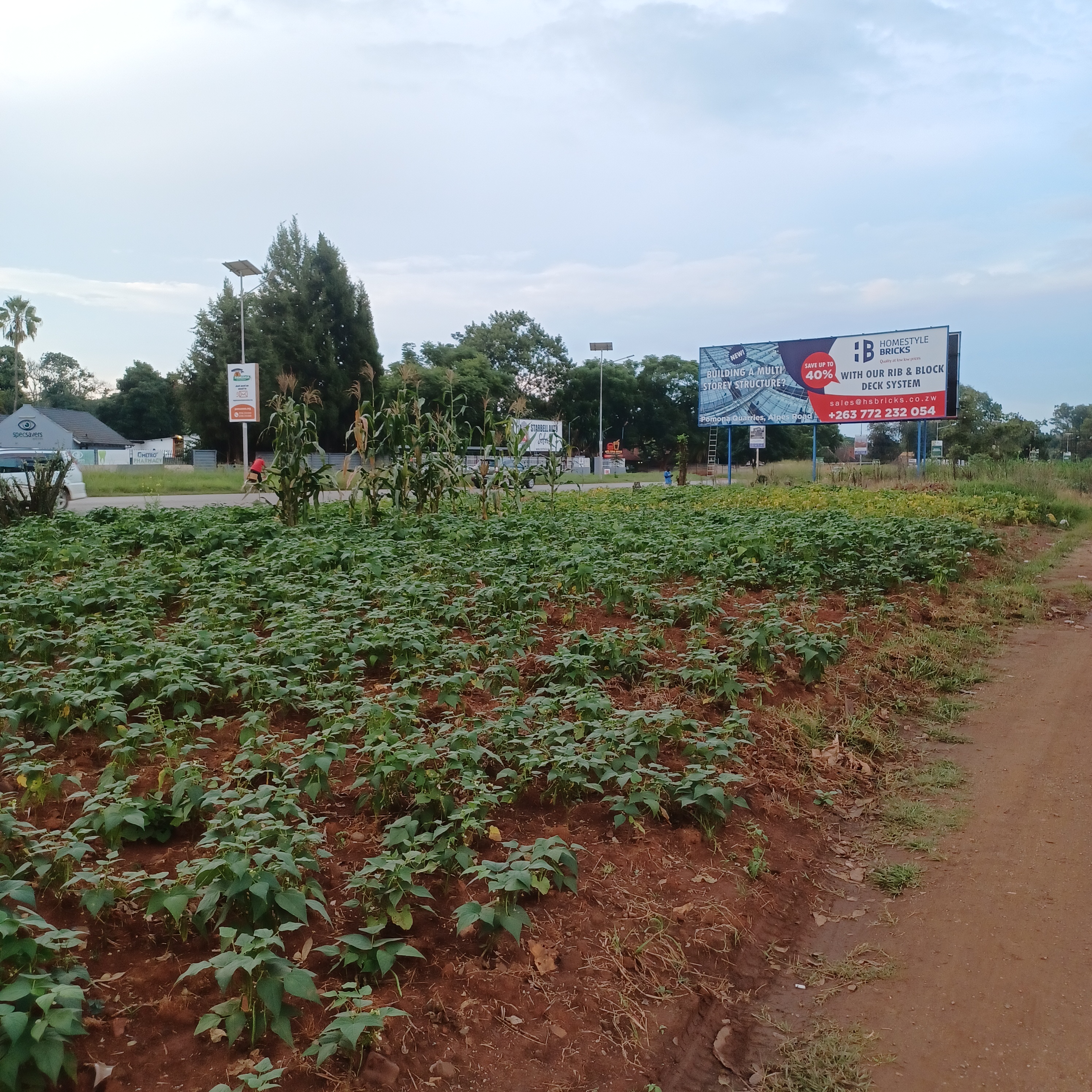
Local food systems, especially in Zimbabwe’s rural areas, are characterized by lack of resources and poor infrastructure (e.g., technologies and road networks), which makes it difficult for farmers to distribute produce and connect with domestic and international markets. It’s also worth noting that many of the smallholder farms are located in areas that require significant agricultural inputs to boost productivity, including fertilizers and irrigation. Food production is not contained in the country’s rural areas. One of the consequences of the country’s economic and political crises, is a growth in urban agriculture. Although not unique to Zimbabwe, the scale of urban food production, which takes place on almost any unused plot of land, is a clear indication of the food insecurity felt by many urban dwellers.

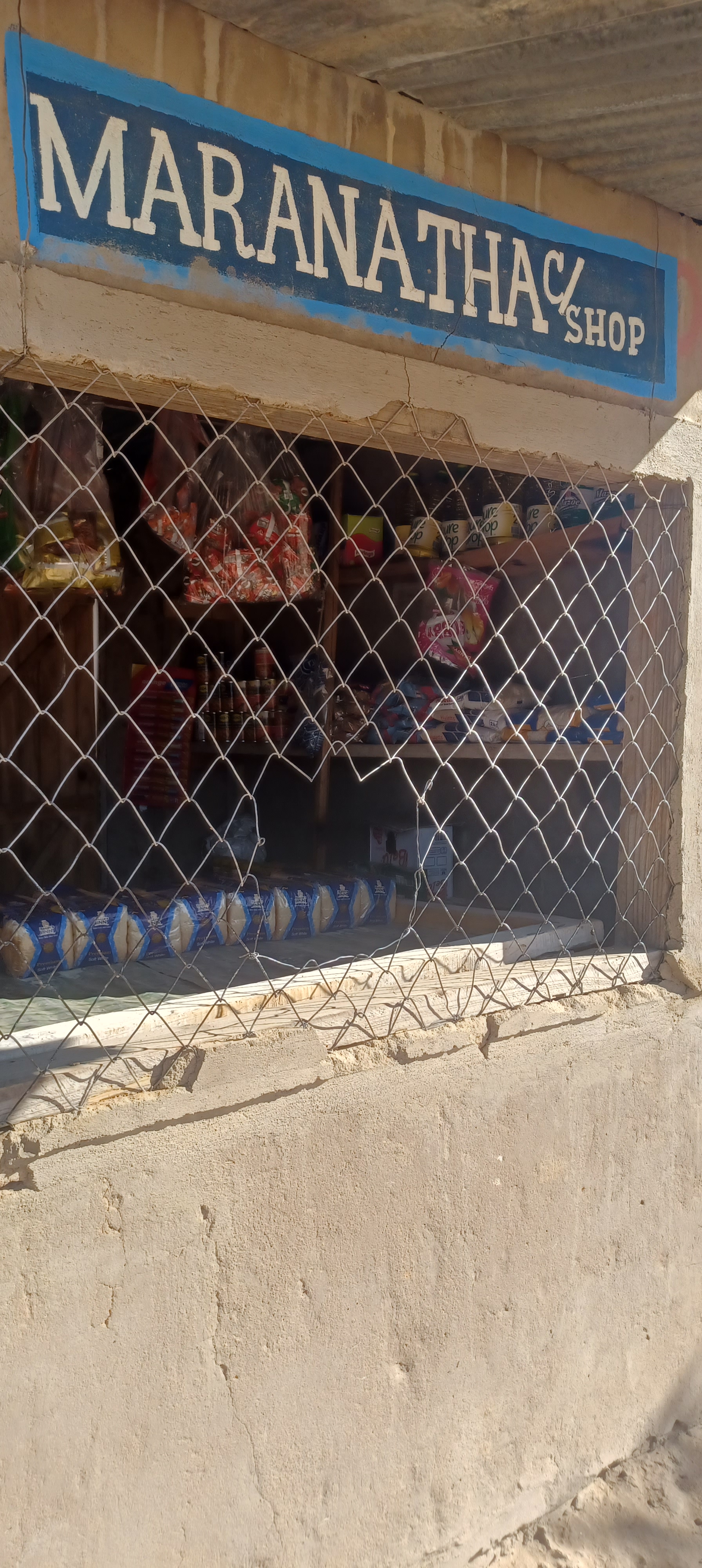
Outside of production, distribution throughout Zimbabwe’s local food systems is dominated by small to medium sized enterprises, and food access is promoted by an extensive network of informal food retailers (tuckshops, roadside vendors, and ‘home-shops’) selling everything from grains, livestock, fruits, and vegetables to imported processed snacks to both rural and urban consumers. Largely unregulated, research by Godfrey Tawodzera suggests that prices for farmers and vendors alike are controlled by intermediaries or ‘middlemen’ (makoronyera) operating in the country’s main markets, such as Mbare market, Harare. Although experiencing significant growth with an influx of international retail chains such as TM/Pick n Pay, Choppies, and Food Lover’s Market, supermarket retailing remains underdeveloped across the country.

Zimbabwe’s food systems are also marked by low levels of food processing and limited storage capacity, especially for fresh produce which requires cold storage facilities that are not widely available. As the FAO remarked in their joint report with the EU and cirad, “While the country has huge natural agricultural potential, production, processing, storage, value addition and marketing infrastructure are dilapidated” (2022: 13). Therefore to supplement the lack of food processing and storage capacity, the country depends on formal and informal imports of food and food-related products from neighbouring countries such as South Africa, Botswana and Zambia, as well as from further afield. Additionally, producers and consumers alike continue to rely on traditional processing and preservation methods, including sun and fire drying fruits, vegetables and fish (kapenta).

Why build local food system resilience in Zimbabwe?

Zimbabwe frequently suffers from multiple shocks which threaten the effective functioning of its local food systems, and weather-related shocks are a prominent feature of the challenges confronting local food systems across the country’s different agroecological zones. The country has been facing regular droughts since attaining its independence from Britain in 1980. For instance, Zimbabwe is among the southern African countries that were devastated by the El Niño-induced droughts in 1992, 2002, as well as between 2015 and 2016 which killed livestock, destroyed crops and drastically reduced livelihoods. Similarly, in March 2019, Zimbabwe suffered from an intense tropical Cyclone Idai that affected about 270,000 people and caused damage to livelihoods estimated at US$622 million.

Zimbabwe’s local food systems were also severely disrupted by the COVID-19 pandemic. The implementation of public health measures designed to reduce the spread of the pandemic, such as lock-downs, border closures, and other forms of restriction placed upon people’s mobility, caused significant stress to the entire food supply chain, from food production to consumption. As a report by Agricultural Policy Research in Africa in 2021 highlighted, agricultural production was curtailed in rural areas with farmers and farm labourers unable to engage in farming activities. Other impacts included the disruption to transportation and the closing of markets such as Mbare Musika in Harare. Moreover, the pandemic also impacted the food system supply chain, including cash and in-kind remittances sent from neighbouring countries like South Africa, Botswana, Namibia and Mozambique.

Even before COVID-19, Zimbabwe’s local food systems have been exposed to the long-decade of economic, social, and political vulnerabilities that were debilitating the country. Therefore, to “build back better”, Zimbabwe needs to strengthen the resilience of its local food systems from the numerous shocks and stressors that are threatening the livelihoods and the achievement of SDGs by 2030. 

What policy measures are needed to strengthen the resilience of local food systems in Zimbabwe?

Strengthening the resilience of local food systems is therefore crucial, and will need to be staged across the short-, medium-, and longer-terms. An immediate short term step would be to improve coordination among the sector’s diverse actors, including in delivering social protection measures that cushion vulnerable groups from future shocks. Work towards this goal is outlined in the World Food Programme‘s strategic plan for Zimbabwe, 2022–2026. Whether this will promote and support the multi-sectoral linkages and multi-stakeholder partnerships necessary for the country, as well as align with the Government of Zimbabwe’s own priorities, remains to be seen.

The WFP has a very strong track record in working alongside the GoZ, and in coordinating the response to the country’s food-related crises. However, there are multiple international agencies operating in Zimbabwe, most prominently the Food and Agriculture Organization of the UN (FAO) and USAID, but also including other non-state actors, such as other international donor countries (e.g., China), and a multitude of non-governmental organizations, civil society organizations, academic and research institutes, as well as private philanthropy and commercial enterprises. Coordination across such a wide-array of actors is challenging, especially in a country where corruption remains an issue.

Moving beyond the general question of sector-wide coordination, the implementation of tough lockdown measures by many countries, including Zimbabwe, during the COVID-19 highlighted the importance of maintaining local food production as well as short, well-organized and innovative ways of food distribution so as to keep all people well-nourished. As such, there is an urgent need to strengthen the resilience of food supply chains by shortening them, allowing them to deliver equitable, sustainable, and healthy diets during emergencies. Promoting sustainable local food production systems is an important medium-term strategy too, mainly because it promotes food self-sufficiency including during periods of shocks.

Long-term strategies for strengthening the resilience of local food systems during shocks include promoting evidence-based policy making that support preparedness and resilience to shocks in an inclusive and sustainable manner. It is crucial for the Zimbabwean government to strengthen its early warning systems in order to predict threats and occurrence of disasters as well as promote sharing of indigenous knowledge systems between provinces and districts for the purpose of recovery. Promoting green investments as well as climate-smart innovations are also important strategies in overcoming weather-related catastrophes in Zimbabwe.

Finally, policy options for supporting local food systems during periods of shock hinge on the availability of sustainable funding mechanisms. While the government has primary responsibility for ensuring adequate budgetary support for resilience building, it does not have the economic means to meet the responsibilities. Mainly a result of the country’s decades long economic decline, the country’s weak economic performance is amplified by sanctions imposed on the country by the USA, UK and EUover 20 years ago. Zimbabwe does receive funding, with USAID remaining the single largest bilateral partner in Zimbabwe and contributed more than US$5.7 million towards resilience building in 2021. Yet, a sovereign nation such as Zimbabwe cannot rely on humanitarian support in the long term.

Conclusion

While preventing shocks in a global food system may not be possible, mitigating their effects and promoting recovery remain crucial steps in supporting local food systems. The multitude of shocks confronting local food systems in Zimbabwe underscore the need to design and implement vibrant policy measures in order to reduce the vulnerability of poor and disadvantaged groups. Designing and implementing effective social protection systems, promoting local food production, shortening food supply chains, strengthening early warning systems, not to mention investing in climate-smart innovations are key policy alternatives.

In achieving these goals, the role of strengthening local capacity cannot be overemphasized. Inevitably, these measures depend on the availability of sustainable funding mechanisms and to strengthen domestic resource mobilization in order to finance the development of local food systems. Improving access to finance to smallholder farmers, informal traders, and other key stakeholders in the local food systems value chain is a part of the answer. As recent analysis from the World Bank suggests, an effort must be made here to support the transition of the informal sector to the formal one. Moreover, there is a need to rebuild the country’s processing capacity, as well as to lengthen and diversity its (food) value chains regionally as well as globally.
Categories
Uncategorized

Co-SAM Home Environment Working Papers

Co-SAM, funded by the National Institute for Health and Care Research, UK (NIHR), aims to define causal pathways underlying recovery from complicated SAM, particularly in children with comorbidities such as HIV, and to develop and test multimodal interventions addressing the biological and social factors preventing convalescence, to ensure that all children can survive and thrive. The project brings together two networks of researchers from southern (Zvitambo – Zimbabwe, TROPGAN – Zambia) and east Africa (CHAIN Network – Kenya) with extensive experience of SAM.

The Home Environment work package, which is covered in these reports, builds upon previous work which documents that recovery from SAM requires a conducive home environment to promote nutritional rehabilitation (Kabongo et al., 2021). However, children are routinely discharged back to home environments characterised by economic precarity, entrenched poverty, food insecurity and hunger, which are root causes of SAM. Caregivers themselves are often contending with the effects of living with HIV, including shame and stigma, as well as with other chronic health conditions, including depression.

Female caregivers may lack decision-making autonomy within their households because of gendered and generational social relations and are at risk from gender-based violence. They often undertake seasonal and/or risky employment (e.g., sex work) to sustain themselves and their children. Mothers living in such precarious economic and social circumstances are often highly mobile within and between urban and rural areas, but the spatial and temporal mobility of children may differ due to extended networks of carers.

Recognising the impact of multiple social and environmental determinants on the context in which child convalescence occurs, a ‘rapid appraisal’ has been undertaken across the three countries. The rapid appraisal technique has been readily adapted to the kinds of contexts we are working in and is widely used as a cost-effective tool for providing a quick assessment of local conditions and for informing the design of subsequent interventions. The rapid appraisal was co-ordinated across the three countries, with local social scientists and trained lay workers undertaking the research at each site. A mixed-method approach has been deployed, with some variation across each of the study sites, combining: Baseline survey, Household observation and semi-structured interviews, and Focus Groups Discussions.

The two reports present project findings taken from the Zimbabwean study site in Harare.

Categories
Uncategorized

New publication

Findings from a mixed methods analysis of our Friendship Bench intervention in Shurugwi District have been accepted for publication in Global Mental Health. The paper explains how problem-solving therapy and peer-support delivered by village health workers is feasible and acceptable, leading to quantitative and qualitative improvements in mental health among rural Zimbabwean women. The paper concludes that scale-up of the Friendship Bench in rural areas would help close the treatment gap for common mental disorders. The paper is available here.

A second paper from our research on the Friendship Bench intervention, published in Health & Place, is now available to access online. This paper draws exclusively on the qualitative findings from our study, and draws out the role that gender plays in continuing to frame women’s experiences of mental ill health. We also consider how the intervention itself might have acted to reinforce gender norms through its focus on livelihood strategies associated with reproducing women’s domestic responsibilities. The paper concludes by reflecting on a set of questions with a different temporality. Specifically, we consider whether the slow violence of settler colonialism remains an under researched dimension of global public health interventions.

Encountering humwe

I’m in the process of analysing field research from our ‘Building Better Paternerships’ project. We conducted 30 interviews with households in Shurugwi District, as well as a similar amount with the Zimbabwean diaspora in the UK. One of the themes that is emerging from the work in Zimbabwe is the importance of the sharing economy to managing household food security in times of crisis. For some of the folk we interviewed, this included maintaining practices such as humwe (a Shona term for collective working parties, which often involve a social event supplemented with beer and food by the host). More to follow.