Biosociality, identity and risky subjectivity (2013-2017)
The research involved engaging in discussions with small groups of black women living in the Borough of Hackney, East London who were taking part in a breast awareness intervention designed by clinicians based at Homerton Hospital. The results from the study provided valuable insight into the women’s perceptions of their ‘at risk’ status, their embodied practices, and the contested nature of their construction as a biosocial community of black women.
Key publications
Brown, T., Dyck, I., Greenhough, B., Raven-Ellison, M., Ornstein, M., Duffy, S. (2019) “They say it’s more aggressive in black women”: Biosociality, breast cancer, and becoming a population “at risk”. Transactions of the Institute of British Geographers 44, 509-523.
Brown, T., Dyck, I., Greenhough, B., Raven-Ellison, M., Dembinsky, M., Ornstein, M., Duffy, S. (2017). Fear, family and the placing of emotion: Black women’s responses to a breast cancer awareness intervention. Social Science and Medicine 195, 90-96.
Global health interventions in severe acute malnutrition and related conditions (since 2017)
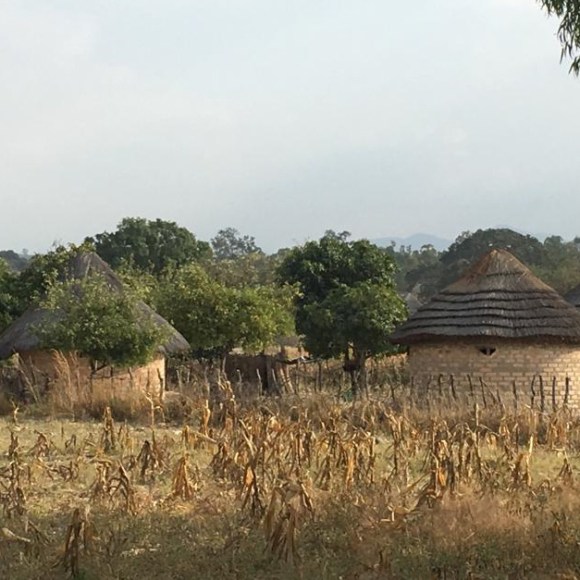
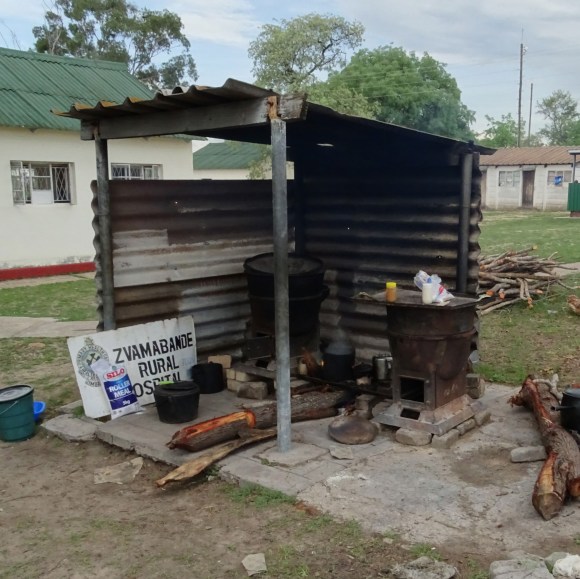

With colleagues in the School of Geography, Queen Mary’s Blizard Institute, the Zvitambo Institute for Maternal and Child Health Research, Harare and many other international research partners, I have been working on multiple projects focused upon addressing severe acute malnutrition and related health conditions. The research projects are primarily centred on improving nutrition and early childhood development amongst vulnerable children living in Harare’s urban and peri-urban areas as well as in Shurugwi District, in Zimbabwe’s Midlands Province.
Funded by the UK Research and Innovation (UKRI) (e.g., BBSRC, MRC) and more recently the National Institute for Health and Care Research (NIHR), my involvement has been to support the development of social science insights as well as related interventions. The most recent of the projects is a three country study CO-SAM, which brings together two networks of researchers working in Kenya, Zambia and Zimbabwe with the aim improving recovery in children with complicated severe acute malnutrition after they leave hospital. Research for this project began in 2021 and will run until approximately 2028, further details below.
Tackling Kufungisisa: A rural Friendship Bench Intervention (2017-19)
Research by Zvitambo identified a prevalence rate of almost 10% for common mental disorders among mothers living in the rural areas of Shurugwi District, Zimbabwe. As part of a range of pilot interventions targeted at improving healthy childhood development, we trialed and evaluated the Friendship Bench model of problem-solving therapy. The project considered whether engaging in individual and group therapy would improve the women’s mental health group as well as positively impact on their children’s wellbeing. Papers from this research have been published in the journals Global Mental Health and Health & Place.
HOPE-SAM: Improving post-discharge recovery from SAM (2017-2021)
Working in close collaboration with researchers based at Zvitambo and the University of Zimbabwe, we utilized participatory assessment methods to establish a better understanding of the interaction between the caring environment and children’s recovery from Severe Acute Malnutrition (SAM) following hospital discharge. Our findings highlight carers uneven access to informal social protection, high exposure to stigma in multiple settings, as well as experiences that are reflective of what recent scholarship refers to as examples of ‘uncaring’ or ‘noncaring.’ The full findings were published in Social Science and Medicine.
CHAIN (2019-2022)
Research was undertaken in Shurugwi District, situated in Zimbabwe’s Midlands Province, as a part of the Child Health, Agriculture and Integrated Nutrition (CHAIN) project. Funded by the BBSRC (although disrupted by the UK governments decision to slash ODA funding in 2021), the project was a combined dietary and agricultural intervention targeting key nutrition gaps experienced by children in the early years of development. Infants enrolled on the project will receive additional foods that are nutrient rich, culturally acceptable, and locally sustainable. Delayed by the COVID-19 pandemic, field research, including a social science evaluation, is currently ongoing and results will be reported in 2025. The study protocol is available here.
Co-SAM (2021-2028)
Co-SAM, funded by the National Institute for Health and Care Research, UK (NIHR), aims to define causal pathways underlying recovery from complicated SAM, particularly in children with comorbidities such as HIV, and to develop and test multimodal interventions addressing the biological and social factors preventing convalescence, to ensure that all children can survive and thrive. Requiring an interdisciplinary approach, Co-SAM brings together two networks of researchers from southern (Zvitambo – Zimbabwe, TROPGAN – Zambia) and east Africa (CHAIN Network – Kenya) with extensive experience of SAM.
Organised into five work packages, the project will ultimately inform a randomised controlled trial (RCT) of biomedical and psychosocial approaches to improve clinical outcomes, across multiple sites in Zimbabwe (Harare, Chitungwiza), Zambia (Lusaka) and Kenya (Migori, Kilifi). My involvement with the project has been to lead on the home environment work package, which builds upon previous work which documents that recovery from SAM requires a conducive home environment to promote nutritional rehabilitation (Kabongo et al., 2021). Recognising the impact of multiple social and environmental determinants on the context in which child convalescence occurs, a ‘rapid appraisal’ was undertaken at each site to provide an assessment of local conditions of children with complicated SAM and their primary caregiver, who were recruited at the time of discharge from hospital.
The results of this work package, which are now available, will inform the development of a psychosocial intervention which will form one of the main arms of the RCT.
Food and nutrition security, migration and mobility


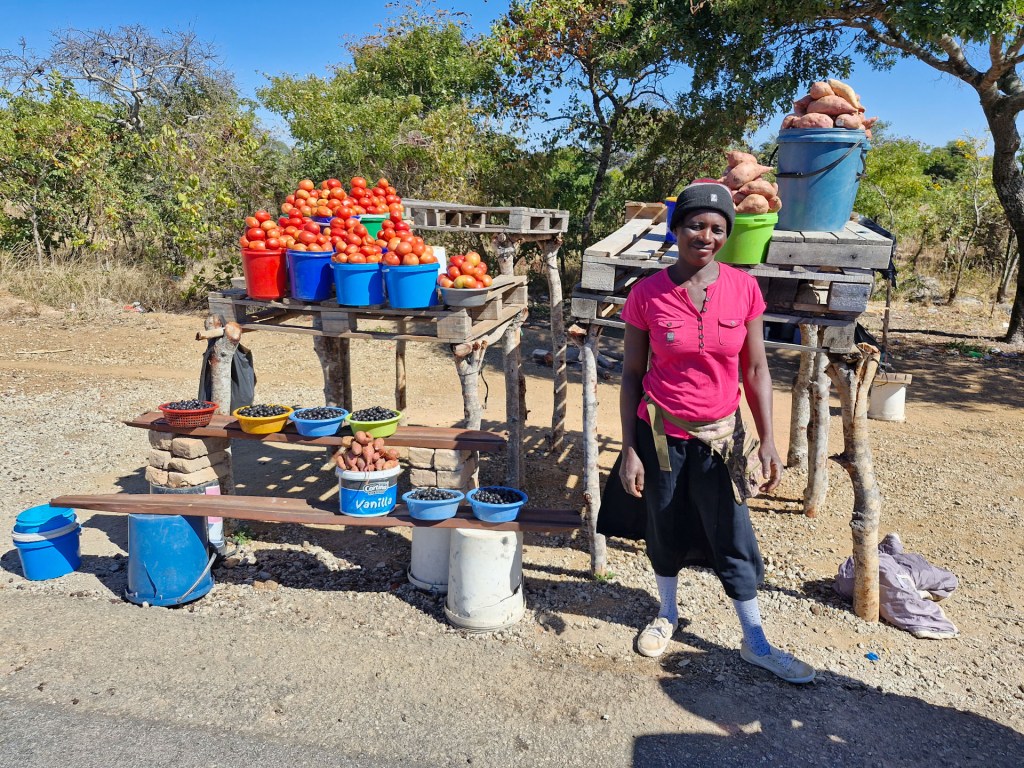

Food Cultures (2019-present)
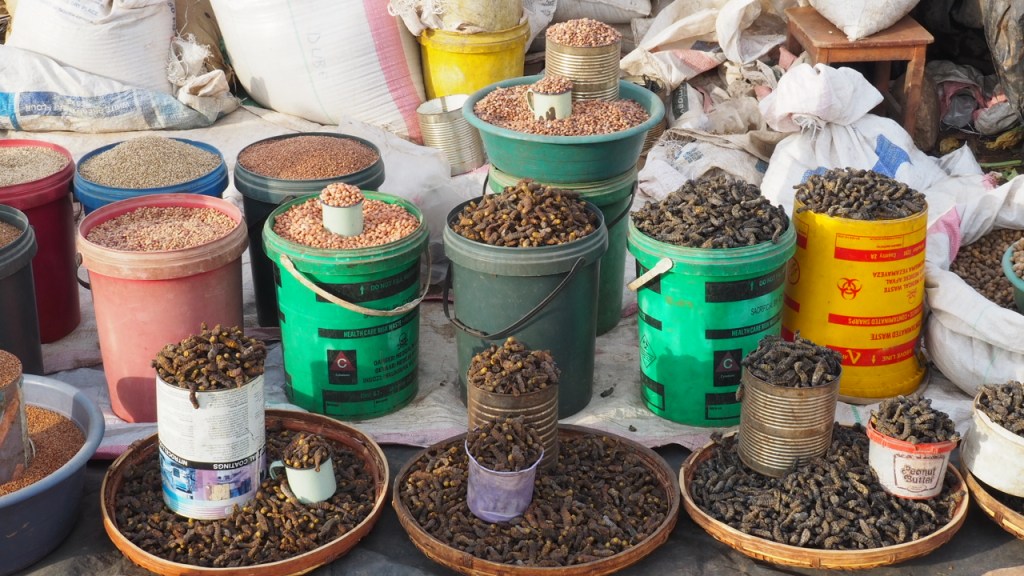
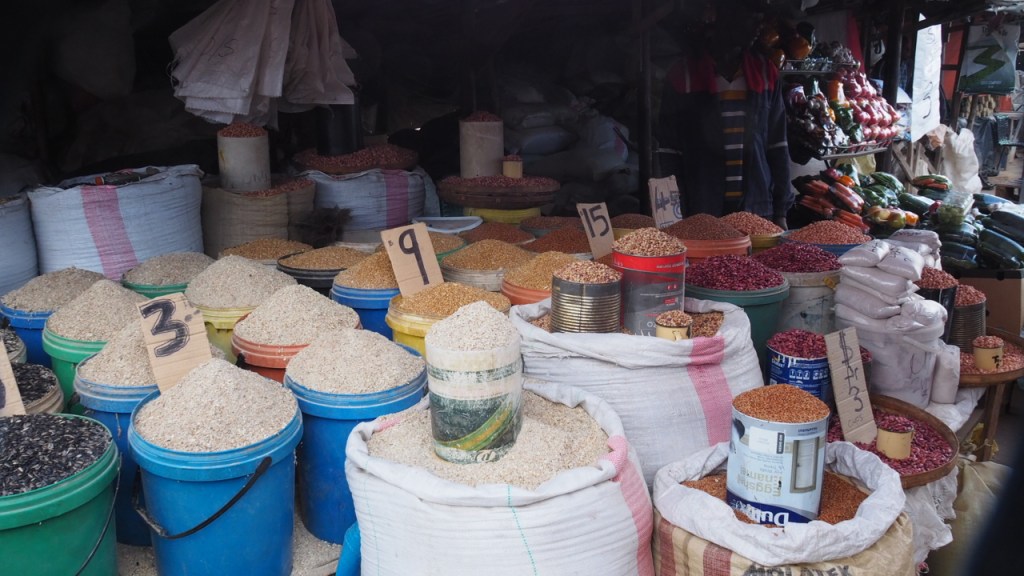
Food cultures emerged as part of a partnership development grant associated with the CHAIN project. Funded by the Arts and Humanities Research Council (AHRC), UK, the focus of the project was on two closely interconnected dimensions of food and nutrition security: firstly, the role played by population mobility and migration, especially the influence of cash and in-kind remittances on household food security; and, secondly the impact of changing food cultures. The ambition for the project was to generate future research directions through participatory workshops with a range of UK and Zimbabwean stakeholders and to conduct field research in Shurugwi District, Zimbabwe and in the UK. For further details see the dedicated project website.
The food cultures project has developed in multiple directions here in the UK as well as in Zimbabwe. Based upon research conducted for the food cultures programme, for details see publications, I am now engaged with my long-time colleague Prof Kavita Datta in a project called ‘Remitting for resilience (R2)’ which has been developed alongside the MiFOOD Network. The MiFOOD Network is led by Prof Jonathan Crush and aims to design and implement new and innovative high-impact research focused on the neglected interactions between migration and food security within the Global South. As outlined below, R2 hopes to provide important insights into the role that remittances may play in promoting food and nutrition security for vulnerable communities faced with environmental change brought about by the climate crisis. This research is being conducted in the UK and Zimbabwe.
A second project that has emerged out of the food cultures work explores the intersection between infrastructure, mobility and food and nutrition security. This project is in the early stages of development and emerged out of the findings from the food cultures project and especially the impact that immobility has on people’s capacity to access adequate, nutritious food. It was also influenced by the recent programme of infrastructure development that has taken place in Zimbabwe under the Emergency Road Rehabilitation Programme (ERRP1 & ERRP2). Pilot research utilising mobile methods was undertaken along the Harare-Masvingo-Beitbridge highway and a range of stakeholders in Harare. This research has been undertaken with my colleague Dr Joseph Tinarwo from the Julius Nyerere School of Social Sciences, Great Zimbabwe University.
Food on the Move
‘Food on the Move? Promoting Food Security through Post-Colonial Infrastructure Repair,’ is a pilot study that aims to better understand the intersections between infrastructure, mobility and food and nutrition security in Zimbabwe. The project is informed by the recent work of the Living Off-Grid Food and Infrastructure Collaboration (LOGIC), which argues that better understanding is required of how infrastructures interact to enhance food and nutrition security as well as to potentially amplify further insecurity.
The project, which received funding from the Institute for the Humanities and Social Sciences (IHSS), Queen Mary University of London, focused on a recent programme of infrastructure repair undertaken in the country under the Emergency Road Repair Programme 1 and 2. With a particular focus on the repair works along the Harare-Masvingo-Beitbridge Highway, which is one of the main transport routes connecting Zimbabwe with South Africa, the research thus far has been largely observational and involved adopting a range of mobile and qualitative methods.
An initial report from the early stages of the research is available here.
Remitting for resilience (R2)
The Remitting for Resilience (R2) Project is a multi-disciplinary and multi-country study that responds to recent calls to enhance adaptive capacities and resilience building strategies to address the risks of climate change to food security, livelihoods, and human mobility in Africa. The fundamental goal is to assess the role that migrant remittances can play in building gender-inclusive resilience to food insecurity amongst groups in African environments impacted by climate change.
The rational for this research project is to build on current understanding and extend it in several ways, we will: (a) research and analyse the actual and potential role of migrant remittances in building resilience in environments characterized by challenging ecological, climatic, and socioeconomic conditions; (b) assess how migrant remittances can impact on the food security of households in these environments by providing additional income to households for food purchase, investment in climate-resilient agriculture and infrastructure, and start-up capital for micro-enterprise; (c) demonstrate to trans-sectoral stakeholders
that migrant remittances in cash and kind have untapped potential for enhancing the ability of populations to mitigate climate-related risks.
Further details of the R2 project are available here.
You can find out more about my research and academic publications at my university homepage or via ResearchGate.
 Professor Tim Brown